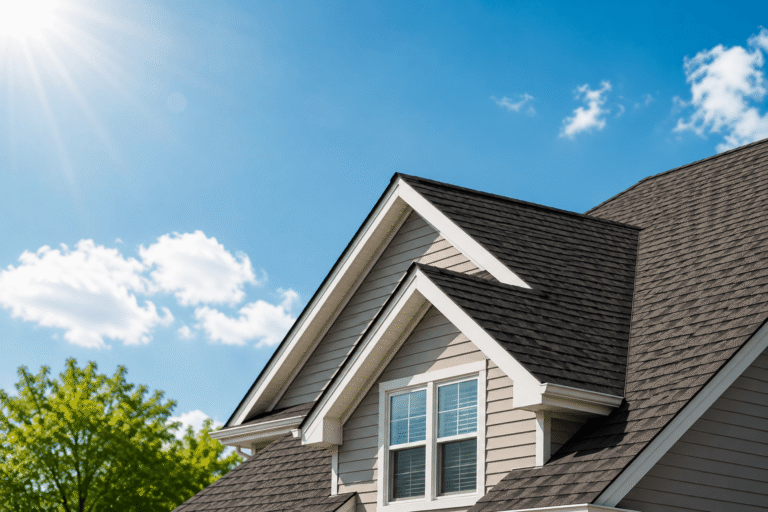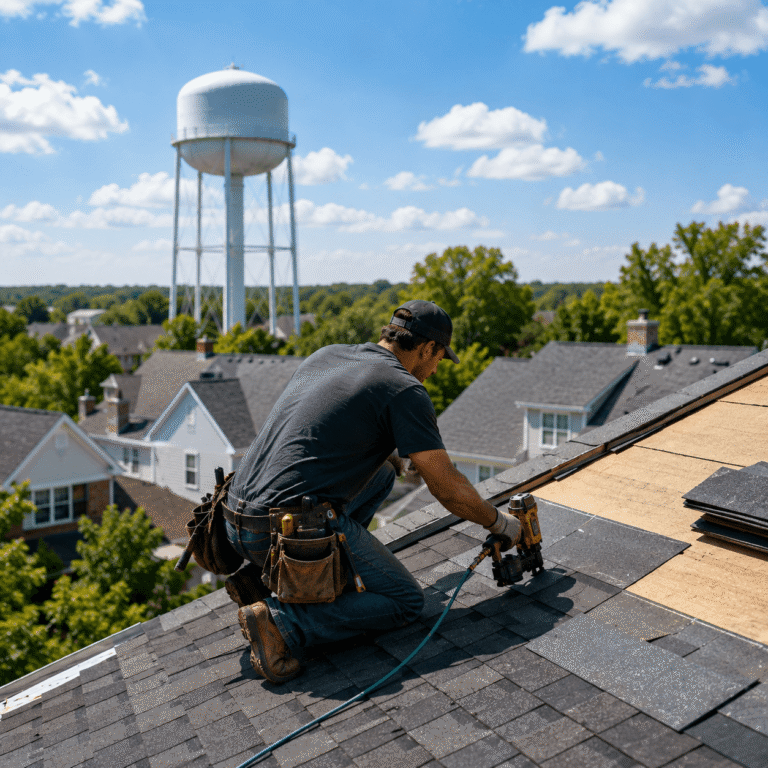


When it comes to ensuring your home remains safe and secure, one of the most critical components is the roof. A well-executed roof installation not only protects your home from harsh weather conditions but also enhances its aesthetic appeal and value. Whether you’re building a new house or considering a roof replacement, understanding the process is essential for achieving a durable and reliable roof. In this guide, we will delve into the intricacies of roof installation, highlighting key steps and considerations to ensure your roof lasts for years to come.
Roof installation involves meticulous planning, from selecting the right materials to ensuring compliance with local building codes. For those contemplating a roof replacement, it’s crucial to assess the current state of your roof and decide whether a full replacement or repair is necessary. A successful roof installation requires careful execution of each step, from removing old materials to installing new ones, ensuring that every aspect of the process contributes to a lasting and reliable roof.
Planning and Preparation
Before embarking on a roof installation project, thorough planning is indispensable. This involves assessing your property’s specific needs, such as climate considerations, aesthetic preferences, and budget constraints. Consulting with a professional roofing contractor can help determine the most suitable materials and techniques for your location. Obtaining necessary permits and ensuring compliance with local building codes are also vital steps in the planning phase. For a roof replacement, inspecting the roof structure for any necessary repairs or reinforcements is crucial to ensure a solid foundation for the new roof.
Choosing the right roofing material is another critical aspect of roof installation. The varied climate conditions in different regions make it essential to select materials that can withstand local weather patterns. Common options include asphalt shingles, metal panels, and tile roofing, each with its own set of advantages and considerations. For instance, asphalt shingles are popular due to their affordability and ease of installation, while metal panels offer durability and energy efficiency. When considering a roof replacement, selecting materials that align with your budget and environmental conditions is key to ensuring a successful roof installation.
Removing the Old Roof
The first step in a roof replacement is removing the old roofing material. This involves detaching existing shingles or tiles and inspecting the roof deck for any signs of damage. It’s essential to rent a dumpster to manage waste efficiently and avoid multiple trips to the dump. Once the old material is removed, inspect the roof deck thoroughly for any rotting or damage. Repairing the deck before proceeding ensures a solid foundation for your new roof, which is crucial for a successful roof installation.
Repairing the Roof Deck for a Stable Foundation
If any damage or rotting is found in the roof deck during a roof replacement, it should be repaired before proceeding with the roof installation. This step is critical as it ensures that the new roofing material is laid on a stable and secure base. Using appropriate materials and techniques to repair any damaged areas will help prevent future issues and ensure the longevity of your roof.
Installing Underlayment
Once the deck is ready, the underlayment is installed. This acts as a barrier against water and ice, adding an extra layer of protection to your roof. In regions with extreme weather conditions, self-adhesive waterproof underlayment, also known as an “ice barrier,” is often required. Otherwise, a single layer of 15-lb. felt underlayment (tar paper) is usually sufficient unless local codes call for 30-lb., which is heavier and more water-resistant. Proper installation of underlayment is vital for preventing moisture buildup and ensuring a successful roof installation.
Installing Drip Edge and Ventilation
Attaching a drip edge along the eaves of the roof is essential to prevent water damage. This is followed by installing ventilation components such as ridge vents and soffit vents to promote proper air circulation and prevent moisture buildup. Proper ventilation is crucial for extending the life of your roof and preventing structural damage. During a roof replacement, it’s a good time to assess and upgrade your ventilation system if necessary, ensuring that your new roof benefits from improved airflow.
Installing Flashing
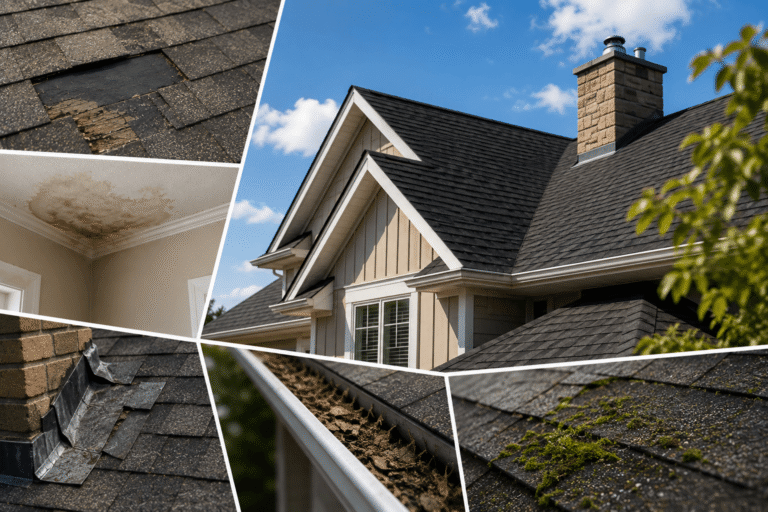
Flashing is used around roof penetrations such as chimneys, skylights, and vents to prevent water leaks. Proper sealing with waterproofing compounds ensures long-term protection. Flashing should be installed in valleys and around dormers, ensuring that all potential entry points for water are sealed. This step is critical in both new roof installation and roof replacement projects to ensure a watertight seal.
Installing the Main Roofing Material
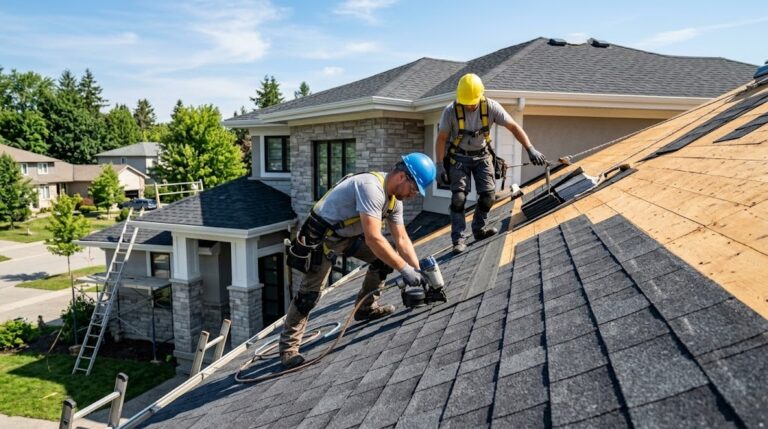
Now it’s time to install the main roofing material, whether it’s shingles, metal panels, or another option. Adhering to the manufacturer’s instructions for the specific material you’re using is crucial. Begin by laying the material from the bottom edge, working your way up the roof. Ensure proper alignment and overlap to prevent water seepage. For shingles, start with starter shingles along the eave, securing them with nails. Follow the manufacturer’s nailing pattern to ensure each shingle is securely fastened.
Securing Roofing Material
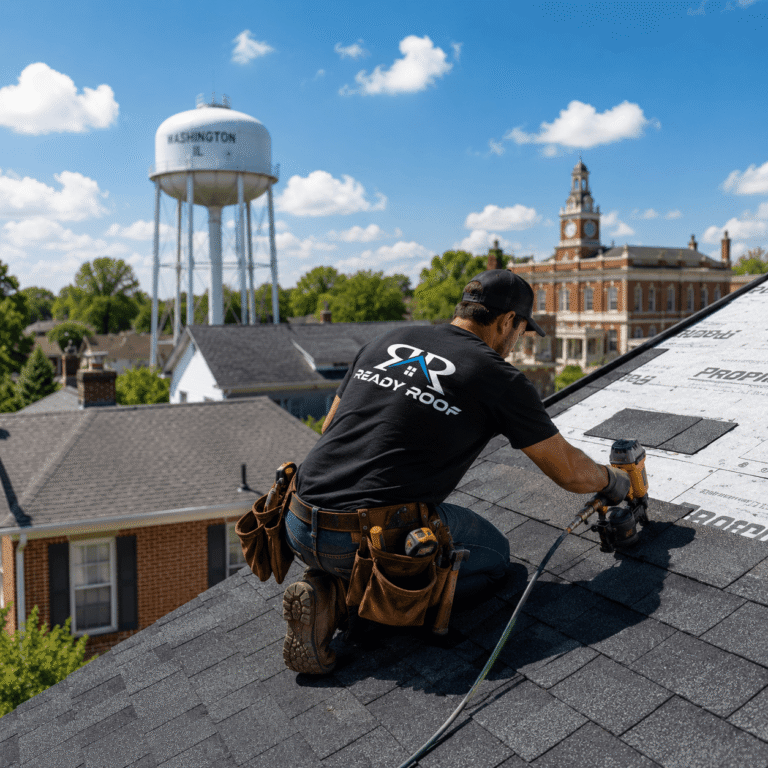
Using appropriate fasteners (nails, screws, etc.) as recommended by the manufacturer is essential to secure the roofing material in place. For shingles, each generally requires five evenly spaced nails driven above the adhesive strip far enough to be covered by one inch of the shingle above it. Zinc-coated roofing nails are commonly used for their durability. Proper nailing is crucial for preventing roof failures during storms.
Installing Ridge and Hip Shingles
The ridge and hip caps provide a finished look and prevent water penetration at the roof’s highest points. Cut the shingles to fit the ridges and hips of the roof accurately. Attach the ridge and hip shingles using the appropriate fasteners and techniques, ensuring a watertight seal. For hip roofs, start with the hips and then proceed to the ridge, overlapping the shingles to ensure a secure fit.
After the roof is installed, a thorough inspection ensures that all roofing materials are securely fastened and aligned. Check for any gaps or improperly sealed joints that could lead to leaks. Verify that the drainage system functions properly and efficiently directs water away from the structure. Finally, ensure that the roof complies with building standards and safety regulations. This final check is crucial for both new roof installation and roof replacement projects to guarantee a lasting and reliable roof.
Post-Installation Tips
Once your new roof is installed, maintaining it regularly can extend its lifespan. Regular inspections can help identify potential issues early on, allowing for prompt repairs. Cleaning gutters and downspouts ensures that water flows freely, preventing damage to the roof and foundation. Additionally, trimming nearby trees can reduce debris accumulation on the roof.
For homeowners in Milwaukee and surrounding areas, Ready Roof Inc. offers comprehensive roofing services, from new roof installation to roof replacement and repairs. Their team of experts can guide you through the process, ensuring that your roof is not only durable but also aesthetically pleasing. Whether you’re looking to enhance your home’s value or protect it from harsh weather conditions, a well-executed roof installation is the first step towards achieving peace of mind.
As you embark on your roofing journey, remember that a successful roof installation or roof replacement requires attention to detail and adherence to best practices. By understanding the process and selecting the right materials and techniques, you can ensure a lasting and reliable roof that protects your home for years to come.
Whether you’re planning a new roof installation or considering a roof replacement, the key to a successful project lies in meticulous planning, careful execution, and regular maintenance. By following these guidelines and consulting with professionals when needed, you can ensure a roof that not only enhances your home’s beauty but also provides long-lasting protection against the elements.
Ready Roof Inc.
15285 Watertown Plank Rd Suite 202, Elm Grove, WI 53122, United States
(414) 240-1978