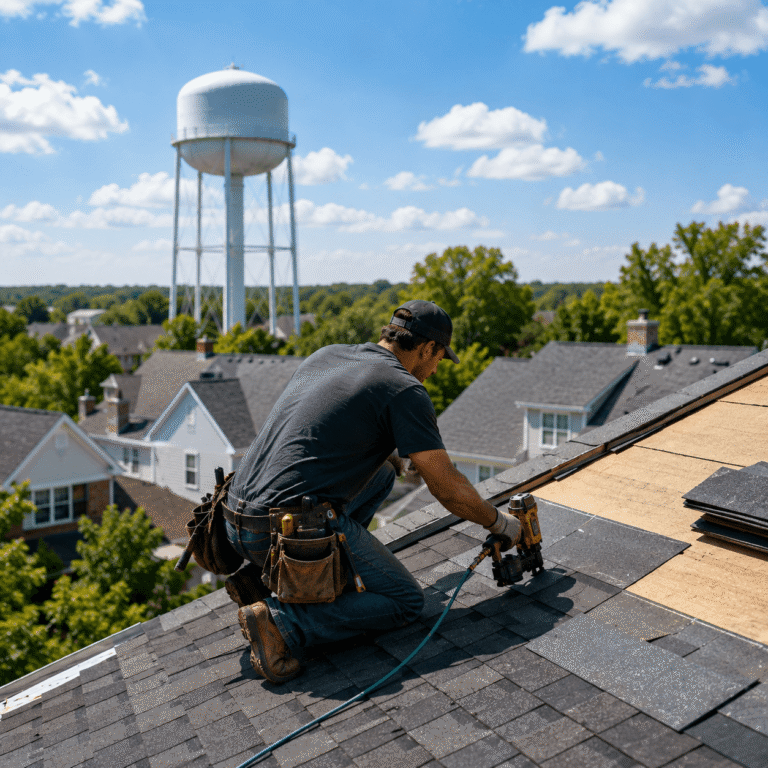


Your roof is your home’s first line of defense. Knowing the common repair methods helps you judge problems, decide when to DIY, and when to call a pro. This guide walks through the most useful roof repair techniques, the issues that cause them, and straightforward solutions to keep your roof doing its job. Learn how to spot leaks, assess storm damage, and follow practical steps that prevent small problems from becoming costly repairs.
Top roof repair techniques for homeowners
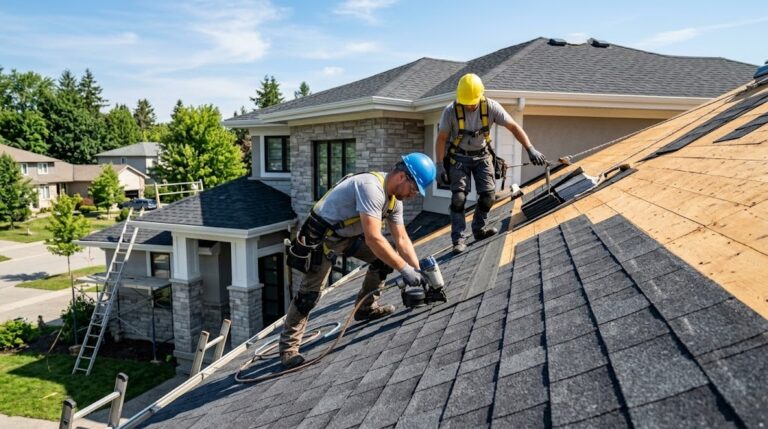
There are several reliable repair techniques homeowners can use to protect their roofs and stop damage from spreading. The most common are: roofing
- Leak Repair: Find and seal leaks quickly to avoid water damage inside the house.
- Shingle Replacement: Swap out missing or broken shingles to restore the roof’s protective layer.
- Flashing Repair: Repair or replace flashing around chimneys, vents, and valleys to keep water out.
- Gutter Repair: Keep gutters clear and aligned so water drains away from the roof and foundation.
- Storm Damage Repair: Fix wind- or hail-related damage promptly to stop secondary problems.
Using these techniques helps maintain a strong roof and protects your home from unnecessary risk.
Most common roof problems homeowners face
Being aware of frequent roofing problems helps you catch issues early. Homeowners often see:
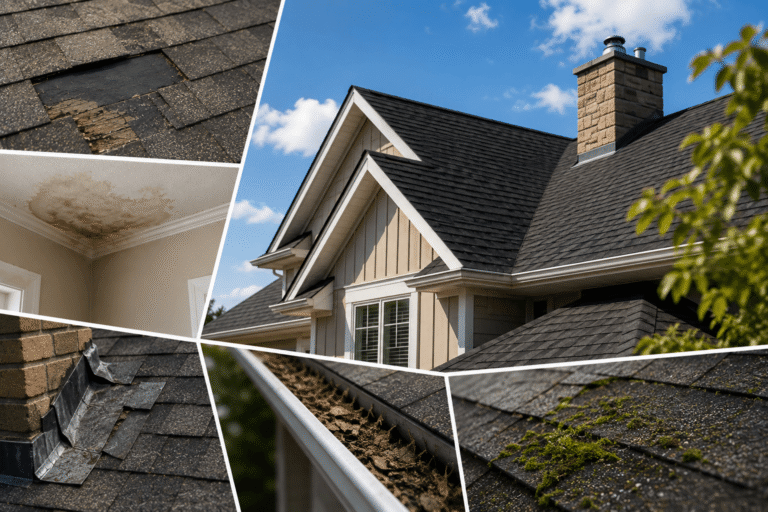
- Missing or Damaged Shingles: Weather and age can loosen or break shingles, exposing the roof.
- Water Stains on Ceilings: Discolored spots indoors usually mean a roof leak that needs investigation.
- Sagging Spots on the Roof: Low or uneven areas often signal structural concerns that require a pro.
Noticing these signs early makes repairs easier and less expensive.
How to identify roof leaks and what causes them
Finding a leak fast is key to limiting damage. A simple, common-sense approach works best:
- Assess the Situation: Look for missing shingles, cracked materials, or visible holes on the roof.
- Protect the Inside of Your Home: Use buckets, towels, or tarps to contain water while you evaluate the source.
- Call a Professional Roofing Contractor: If you can’t trace the leak or it’s large, get an experienced roofer to inspect it.
Following these steps helps you identify leaks before they worsen and reduces repair costs over time.
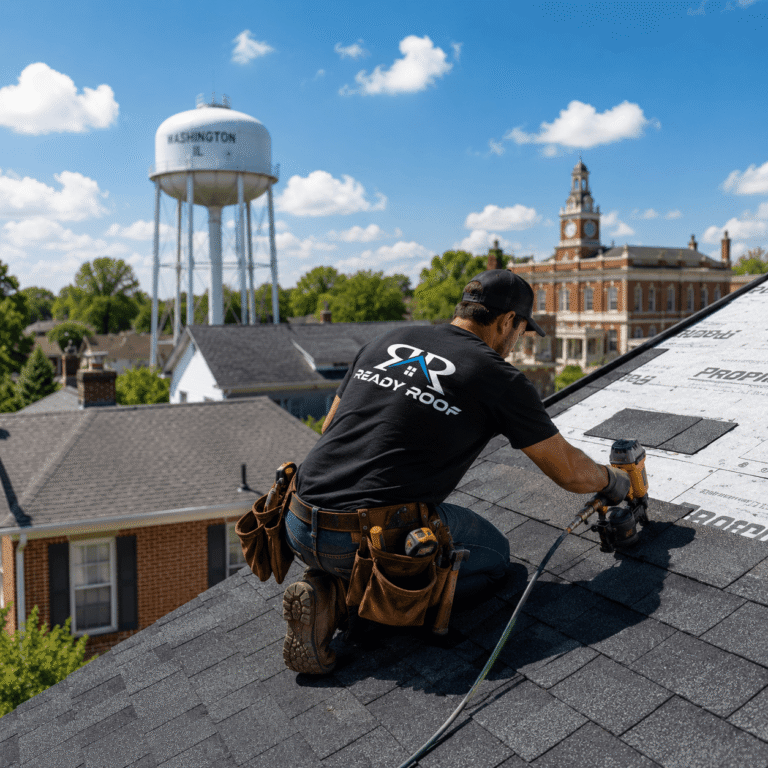
Ready Roof Inc. specializes in residential leak detection and repair. Contact us for a thorough inspection and dependable solutions tailored to your roof.
Recognizing storm damage and how it affects your roof
Storms can cause visible and hidden damage that weakens a roof. After severe weather, watch for:
- Visible Damage: Missing shingles, curled edges, or dents in metal roofing are clear signs.
- Structural Issues: Sagging rooflines or uneven areas can point to deeper damage.
- Mold Infestation: Ongoing leaks can lead to mold, which threatens both structure and health.
Spotting these problems quickly lets you arrange repairs before they get worse.
Hurricane Wind Damage to Residential Roofs
High winds can strip roof coverings and damage openings like windows and doors, compromising the building envelope. Knowing how wind affects roofing is important for planning repairs and storm-proofing.
Hurricane Damage to Residential Structures: Wind Damage Overview, 2024
Step-by-step techniques for effective roof leak repair
Repairing a leak correctly follows a clear sequence to make sure the source is fixed, not just the symptom:
- Stay Calm and Assess the Situation: Determine where the water is entering and how extensive the damage is.
- Protect the Inside of Your Home: Place buckets under drips and move valuables away from affected areas.
- Call a Professional Roofing Contractor: Major leaks or unclear sources should be handled by pros to ensure a lasting repair.
These steps reduce damage and speed up repairs. Ready Roof Inc. offers free estimates for leak repairs to help homeowners get started.
Essential tools and materials for roof leak repair
Having the right items on hand makes temporary fixes safer and permanent repairs easier to complete:
- Heavy-Duty Tarp: Use a tarp for immediate roof covering until a permanent repair can be made.
- Roofing Nails: For securing replacement shingles and flashing.
- Dehumidifier: Helps dry interior spaces and prevents mold after a leak.
These basic tools help you manage a leak while arranging proper repairs.
Temporary vs. permanent leak repairs — when to use each
Understanding the difference keeps you safe and avoids repeat problems:
- Temporary Repairs: Tarps, sealants, or patches can stop water immediately but aren’t long-term fixes.
- Permanent Repairs: Replacing shingles, fixing flashing, or structural work restores the roof and prevents future leaks.
Whenever possible, plan for permanent repairs to avoid recurring issues and higher costs later.
How shingle replacement improves durability and curb appeal
Replacing worn shingles does more than look better — it protects your home:
- Enhanced Protection and Durability: New shingles block wind and water more effectively, reducing leak risk.
- Boosting Home Value and Curb Appeal: A refreshed roof improves the home’s appearance and marketability.
Keeping shingles up to date is a straightforward way to extend your roof’s life.
When to replace shingles: signs and timing
Knowing the right time to replace shingles prevents larger problems later. Watch for:
- Missing or Damaged Shingles: Gaps or broken shingles mean it’s time for replacement to protect the underlayment.
- Water Stains or Leaks: Interior damage often points to exterior failure that may require shingle replacement.
Timely action saves money and keeps your roof performing.
Comparing shingle types and repair methods
Different shingles need different care. Consider these common types:
- Asphalt Shingles: Widely used and simple to repair—often just swap individual shingles.
- Composite Shingles: More durable but sometimes need specialized replacement steps.
Match repair methods to your shingle type for best results.
Process for storm damage repair and emergency services
After storm damage, follow a clear recovery process to protect your home and speed repairs:
- Assessment of Damage: Inspect the roof to determine what’s affected and how urgent the fixes are.
- Emergency Repairs: Immediate steps like tarping limit further water intrusion.
- Insurance Assistance: Work with your insurer to document damage and secure coverage for repairs.
This approach helps you manage repairs efficiently. Ready Roof Inc. provides emergency services so homeowners can get help when time is critical.
Steps involved in assessing and restoring storm-damaged roofs
Restoring a storm-damaged roof takes a methodical process:
- Initial Assessment: Check for visible damage and any signs the structure has been compromised.
- Professional Roof Inspection: Hire a qualified contractor for a full evaluation and repair plan.
These steps ensure repairs address both surface damage and hidden problems.
How to access emergency roof repair services effectively
In a roofing emergency, use these steps to get prompt help: services
- Call for Immediate Assistance: Reach out to a trusted roofing contractor as soon as you notice serious damage.
- Request a Free Estimate: Many companies, including Ready Roof Inc., provide free estimates so you can plan repairs.
Acting quickly helps limit damage and speeds up the recovery process.
How homeowners can use a roof inspection checklist to prevent major repairs
A simple inspection checklist makes it easier to catch small problems before they grow. Include these items:
- Schedule Regular Inspections: Routine checks reveal wear before it becomes a leak.
- Check for Signs of Wear: Look for cracked or missing shingles and rusty or damaged flashing.
Using a checklist gives you a practical routine to keep your roof in good shape.
Key inspection points to identify early roof issues
Focus on a few high-impact checks when you inspect your roof:
- Cracked or Missing Shingles: These are the most common early warning signs.
- Rusty Flashing: Corroded flashing often leads to leaks and needs repair or replacement.
Regular checks of these areas help extend the life of your roof.
Scheduling regular inspections and maintenance tips
Keep your roof healthy by planning inspections and seasonal maintenance. Try these tips:
- Create a Seasonal Maintenance Checklist: Note tasks like clearing gutters, trimming overhanging branches, and inspecting shingles.
- Monitor for Leaks or Water Stains: Check attic spaces and ceilings regularly for signs of moisture.
Being proactive about maintenance is consistently the most effective strategy for long-term roof health.
Proactive Pitched Roof Maintenance Planning
A planned maintenance program helps extend a roof’s service life and prevents costly reactive repairs. Proactive strategies focus on identifying and addressing maintenance-source elements early to avoid major failures.
Maintenance planning of pitched roofs in current buildings, I Flores-Colen, 2017
How to choose a qualified roof repair contractor for reliable service
Selecting the right contractor protects your investment and ensures quality work. Look for:
- Experience and Reputation: Choose contractors with a track record in your area and positive customer feedback.
- Licensing and Insurance: Confirm they’re licensed and carry liability and worker’s compensation insurance.
These checks help you find a dependable partner for roof repairs.
What credentials and experience should you look for?
When vetting contractors, pay attention to these credentials:
- Licensing and Insurance: Verify licenses and insurance coverage before any work begins.
- Customer Reviews: Read testimonials and ask for references to confirm quality and reliability.
These factors give you confidence in the contractor you hire.
Questions to ask before hiring a roofing professional
Before signing a contract, ask these key questions:
- What types of roofing materials do you offer?
- What warranties do you provide for materials and labor?
- Can you provide references or examples of past projects?
How to Use a Roof Inspection Checklist to Prevent Costly Repairs
Understanding the top roof repair techniques helps you protect your home and avoid costly surprises. Spot issues early, choose the right repairs, and work with a qualified contractor to keep your roof strong. Don’t wait for small problems to grow—schedule a roof inspection with a trusted professional today and explore our resources to find expert help tailored to your needs.