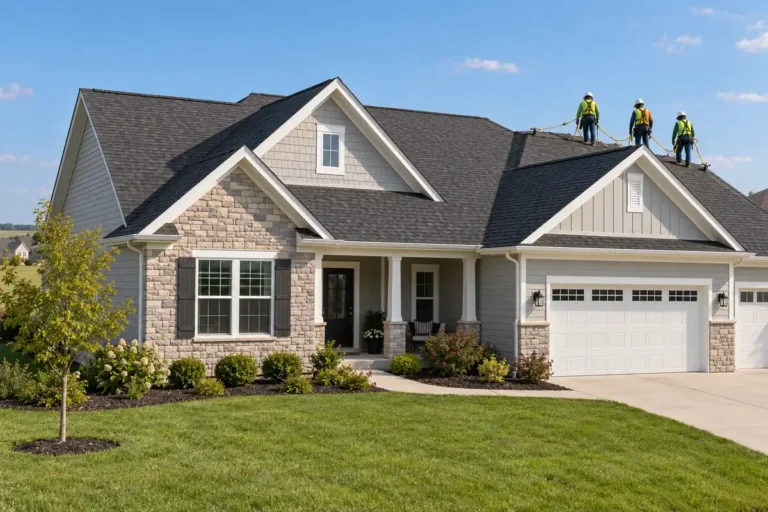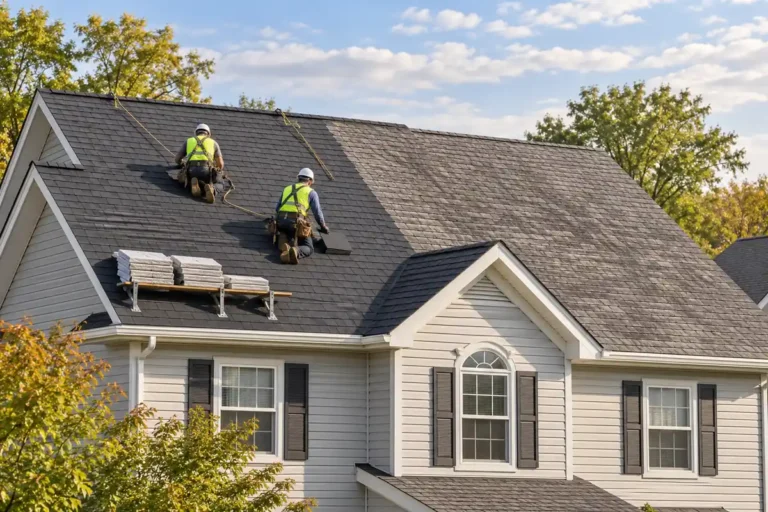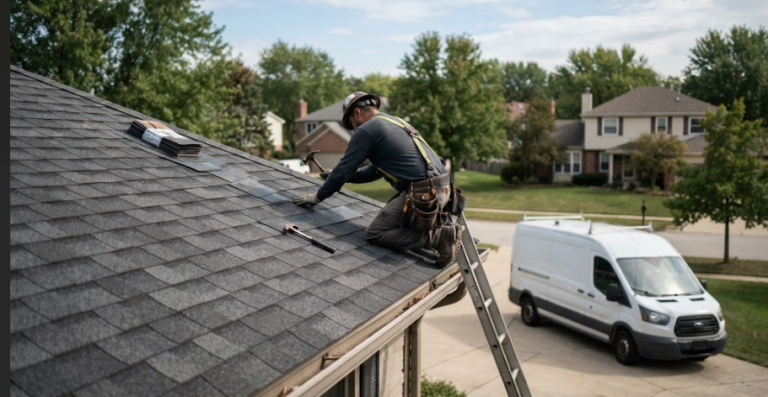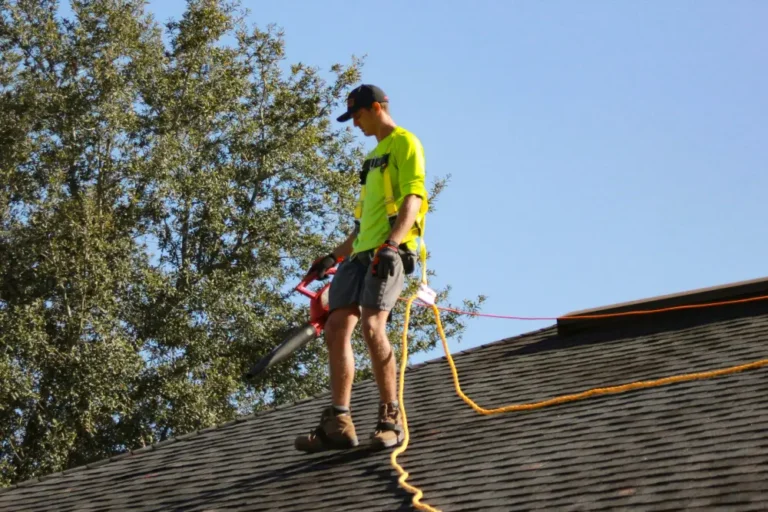


Most roofs in Washington, IL should be professionally inspected at least once a year, with an extra inspection after any major storm. Central Illinois weather is hard on roofing materials, and small problems grow quickly when they go unnoticed. At Ready Roof, we help homeowners stay ahead of damage with a simple schedule that protects both the roof and the budget.
This guide explains how often to schedule inspections, what changes the timeline, and what a good inspection should cover.
The Short Answer: Once a Year, Plus After Storms
A yearly inspection is the baseline for nearly every roof. Spring or fall works best. Spring lets you catch winter damage before the rainy season, and fall lets you prepare the roof for freezing temperatures and snow.
On top of that annual visit, schedule an inspection after any event that could have stressed the roof, such as:
- Hail or high winds
- Heavy snow or ice buildup
- Fallen branches or debris impact
- A tornado warning or severe thunderstorm in your area
If you want a quick answer on this topic from a local contractor, you can also read how we address how often a roofing company should inspect a roof in Washington, IL on our roofing page.
Why Washington, IL Roofs Need Regular Attention
Washington sits in a part of Illinois that sees real seasonal swings. Summers bring heat, humidity, and fast-moving thunderstorms. Winters bring freezing rain, ice, and repeated freeze-thaw cycles. The region is also no stranger to damaging wind events and hail.
Each of these conditions affects a roof differently:
- Heat dries out shingles and makes them brittle over time.
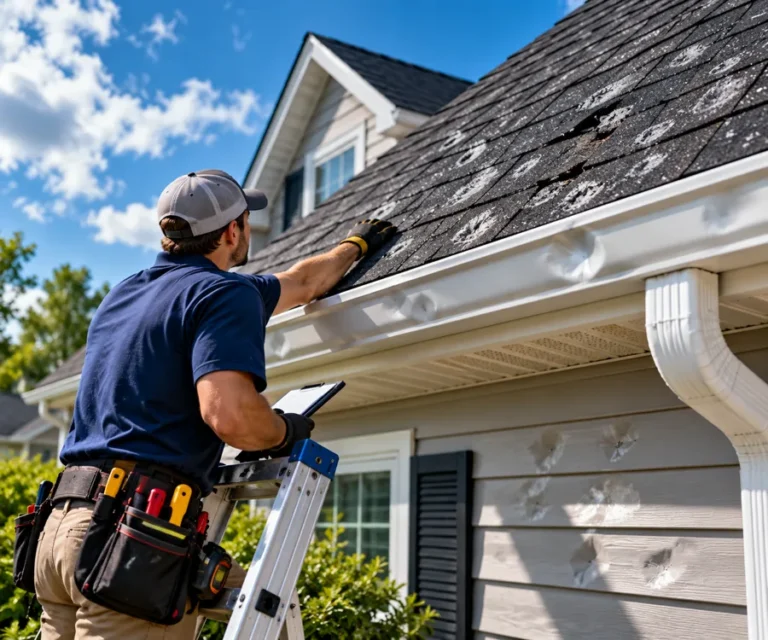
- Hail bruises shingles and knocks off protective granules.
- Wind lifts and creases shingles, loosening their seal.
- Freeze-thaw cycles let water seep into small gaps, expand as ice, and widen those gaps.
Because these forces work together year after year, a roof that looked fine twelve months ago can have developing weak spots today. Regular inspections catch those spots while repairs are still small.
Factors That Change How Often You Should Inspect
The yearly rule is a solid starting point, but several factors may call for more frequent checks.
Roof Age
Roofs under ten years old usually do well with one annual inspection. Once a roof passes the fifteen-year mark, many homeowners benefit from checking in twice a year, since aging materials fail faster and the cost of ignoring a problem climbs.
Roofing Material
Asphalt shingles, the most common material in the area, wear steadily and respond well to annual checks. Metal roofs may last longer between issues but still need their fasteners and seams reviewed. Flat or low-slope sections tend to hold water, so they deserve closer attention.
Tree Coverage
Overhanging trees drop leaves, branches, and moisture onto the roof. Debris traps water and encourages moss and decay. If your property has mature trees, plan on more frequent inspections.
Storm History
If your home has already been through hail or wind damage, the roof may be more vulnerable than it looks. A follow-up inspection confirms that earlier repairs are holding.
Before Buying or Selling
A pre-purchase or pre-listing inspection gives you a clear picture of the roof’s condition. Buyers often ask for one, and having the report ready can prevent surprises during negotiations.
What a Professional Roof Inspection Should Include
A thorough inspection is more than a quick glance from the driveway. A qualified roofing contractor should look at:
- Shingles or surface material: cracks, curling, missing pieces, and granule loss
- Flashing: the metal seals around chimneys, vents, skylights, and valleys
- Gutters and downspouts: clogs, sagging, and drainage problems
- Roof deck and attic: soft spots, daylight showing through, moisture stains, and ventilation
- Penetrations: vent pipes and other openings where leaks often start
- Overall structure: sagging, uneven lines, or signs of past water damage
A good contractor also explains what they find in plain language and gives you honest options. Our roofing services include inspections that follow this kind of detailed checklist.
Warning Signs You Should Not Wait For
Even if your next inspection is months away, some signs mean you should call right away:
- Water stains on ceilings or walls
- Shingles in the yard after a storm
- Granules collecting in gutters
- Daylight visible in the attic
- Sagging areas on the roof
- A sudden spike in energy bills
These symptoms often point to damage that is already letting moisture in. Acting quickly can be the difference between a minor repair and a much larger bill.
Can You Inspect the Roof Yourself?
You can do a basic visual check from the ground. Use binoculars to look for missing shingles, debris, or sagging lines. Check your gutters and look in the attic for stains or damp insulation.
However, climbing onto a roof is dangerous, and many problems are invisible from below. Flashing issues, hidden moisture, and early shingle failure usually require a trained eye. A homeowner check is a useful supplement, but it should not replace a professional inspection.
The Cost of Skipping Inspections
It can be tempting to skip an inspection when nothing seems wrong. The problem is that roof damage rarely announces itself early. A small leak can soak insulation, rot decking, and grow mold long before a stain shows up inside.
Regular inspections cost far less than major repairs or an unplanned replacement. They also help you document your roof’s condition, which can be valuable if you ever file an insurance claim after a storm.
A Simple Inspection Schedule to Follow
For most Washington, IL homeowners, this schedule works well:
- Every year: one professional inspection, in spring or fall
- After severe weather: an inspection within days of hail, high winds, or heavy ice
- Roofs over 15 years old: two inspections per year
- Before a sale or purchase: one inspection to document condition
Schedule Your Roof Inspection with Ready Roof
Knowing how often to inspect your roof is the first step. Having a trusted local team do it is the next. Ready Roof provides careful, honest inspections that show you exactly where your roof stands and what, if anything, needs attention.
If it has been a year or more since your last inspection, or if a recent storm has you worried, contact Ready Roof today to schedule a visit. A little attention now can protect your home for many years to come.