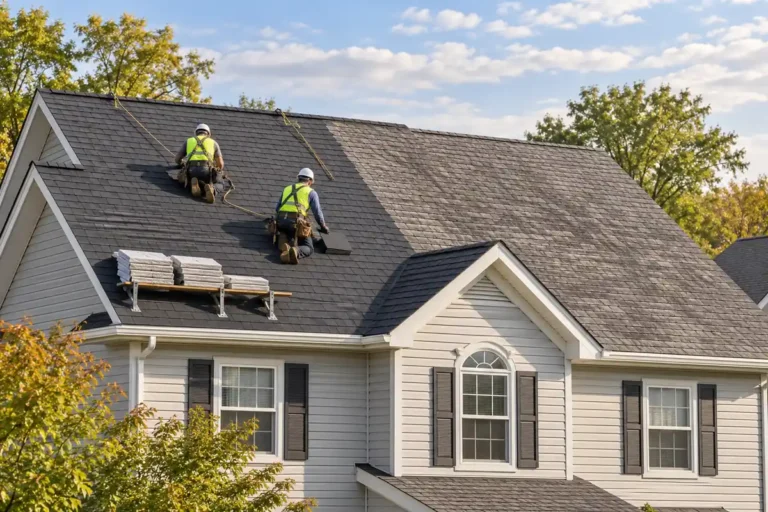

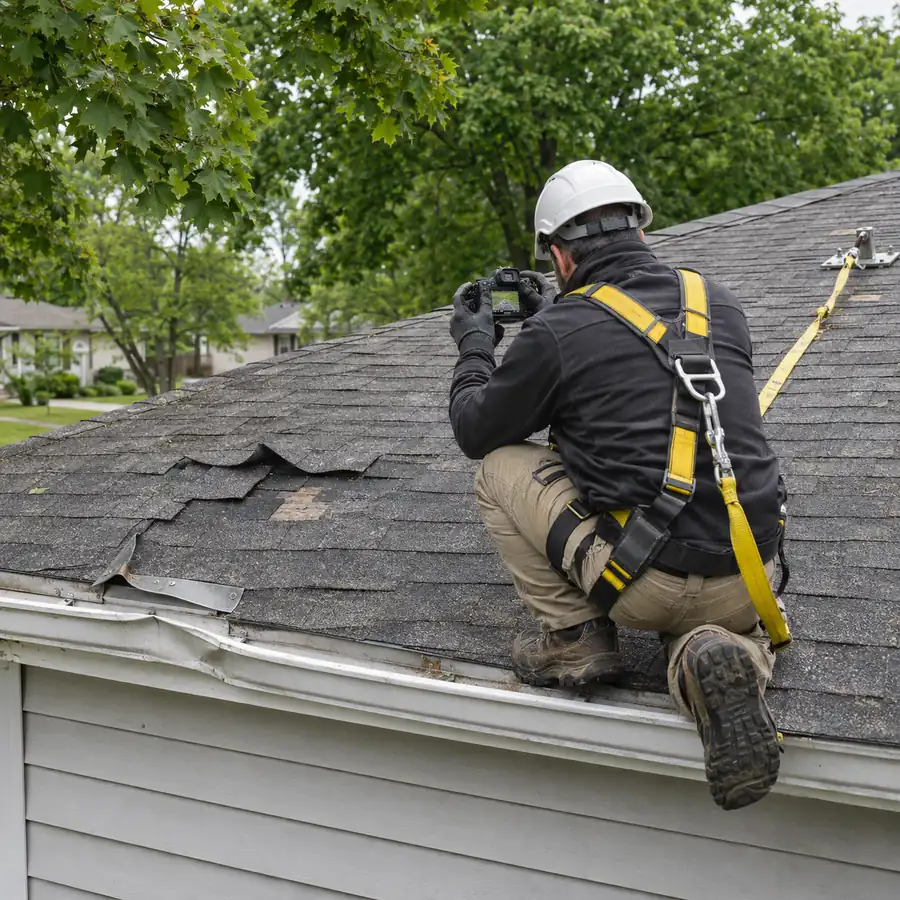
Replacing a roof is an important investment in protecting a home. However, before starting a roofing project, homeowners naturally want to understand how much the work may cost and what factors influence the final price. The cost of a new roof can vary depending on the property’s size, roofing materials, roof design, existing damage, and installation requirements.
For homeowners in Washington, IL, local weather conditions and roof replacement cost also play important roles in roofing decisions. Summer heat, strong winds, heavy rain, hail, and freezing winter temperatures can gradually wear down roofing materials. The overall cost of roof replacement depends on factors such as roof size, material selection, labor, and the extent of existing damage. When repairs are no longer enough to protect the home, a complete replacement may become the more practical long-term investment.
Understanding the different parts of a roofing estimate helps homeowners plan their budgets and compare available options. Ready Roof provides professional roofing services in Washington, IL, helping property owners understand their roofing needs and choose suitable replacement solutions.
Factors That Affect Roof Replacement Costs in Washington, IL
There is no single price that applies to every roof replacement project. Each property has different measurements, materials, and installation requirements. Several important factors determine the final project estimate.
1. Roof Size and Total Roofing Area
Roof size is one of the biggest factors affecting replacement costs. Larger roofs generally require more roofing materials, installation time, and labor than smaller roofs.
Roofing contractors measure the actual roofing surface rather than relying only on the home’s interior square footage. A house with multiple roof sections, extensions, or additional structures may have more roofing area than expected.
During an inspection, contractors consider the total surface area that needs replacement. Accurate measurements help determine how much material is required and provide a more reliable project estimate.
2. Roofing Material Selection
The type of roofing material selected can significantly influence the overall investment. Different materials have different purchase prices, installation requirements, appearances, and expected service lives.
Common roofing options include:
- Asphalt shingles: A popular residential roofing option available in different colors and styles. They provide practical protection for many homes.
- Architectural shingles: These offer a dimensional appearance and can provide additional durability compared with basic three-tab shingles.
- Composite shingles: These roofing products offer different design options and are available in styles that can resemble other roofing materials.
- Metal roofing: Metal roofs are valued for their durability, appearance, and resistance to many common weather-related issues.
The best material depends on the home’s structure, the homeowner’s preferences, and the available budget. Comparing material specifications and warranty coverage can help homeowners make a more informed decision.
3. Roof Pitch and Design Complexity
The shape and slope of a roof also affect installation requirements. A simple roof with fewer angles and sections may require less labor than a roof with multiple slopes, valleys, dormers, and architectural details.
Steeper roofs can require additional safety measures and specialized installation equipment. Contractors may also need more time to work around chimneys, skylights, vents, and other roof features.
These details should be considered during the inspection because they can affect the labor and equipment needed to complete the project safely.
4. Existing Roof Damage and Decking Repairs
The condition of the existing roofing system can change the scope of a replacement project. Once old shingles and other roofing materials are removed, contractors may discover damaged roof deChoosing the Right Roofing Contractor for Your Home in Washington, IL
A roof replacement is a major home improvement project that requires careful planning and the right contractor. A properly installed roofing system helps protect the home from rain, wind, hail, and changing temperatures. However, the quality of the finished roof depends on more than the materials selected. The roofing company’s experience, installation practices, communication, and warranty options also matter.
For homeowners in Washington, IL, choosing a roofing contractor is especially important because local roofs experience different weather conditions throughout the year. Summer heat, strong thunderstorms, hail, high winds, and freezing winter temperatures can place ongoing stress on roofing materials.
With several roofing companies offering replacement services, knowing what to look for can make the selection process easier. Homeowners should compare qualifications, review written estimates, ask about materials, and understand the complete installation process before signing an agreement.
Important Qualities of a Reliable Roof Replacement Company
Finding a dependable contractor involves looking beyond advertisements and low introductory prices. The following factors can help homeowners evaluate roofing companies and select one that meets their project requirements.
1. Verify Roofing Experience and Industry Knowledge
Experience is an important factor when choosing a roof replacement company. Contractors who regularly work on residential roofing systems are more familiar with common installation challenges, material requirements, and roof-related problems.
Ask how long the company has been in business and what types of roofing projects it handles. A contractor should be able to explain the differences between available roofing materials and recommend suitable options based on the home’s structure and needs.
It is also helpful to ask about experience with different roof designs, including steep slopes, multiple roof sections, valleys, and areas around chimneys or skylights.
An experienced roofing team should be able to explain the project clearly rather than recommending a replacement without discussing the roof’s actual condition.
2. Check Licensing and Insurance
Before hiring a roofing contractor, verify that the company meets the licensing requirements applicable to the project and carries appropriate insurance.
Ask for information about:
- Business licensing: Confirm that the contractor holds the required credentials for working in the area.
- General liability insurance: This helps address certain property damage risks associated with contractor operations.
- Workers’ compensation coverage: Confirm appropriate coverage for employees and workers involved in the project.
- Written documentation: Request proof of relevant licensing and insurance rather than relying only on verbal assurances.
These checks help homeowners understand the company’s professional responsibilities and reduce potential risks during the roofing project.
3. Look for Manufacturer Certifications
Manufacturer certifications can provide another way to evaluate a roofing company’s qualifications. Certain roofing manufacturers have contractor programs that assess participating companies based on specific requirements.
For example, Owens Corning offers contractor certification programs with different qualification levels. A Platinum Preferred Contractor designation reflects additional requirements related to areas such as insurance, financial stability, business ethics, and customer satisfaction.
Homeowners should confirm the specific certification held by a contractor and understand what benefits it provides.
Ready Roof is an Owens Corning Platinum Preferred Contractor. This status also allows the company to offer the exclusive Owens Corning Platinum Protection Roofing System Limited Warranty, subject to the applicable coverage terms.
4. Read Customer Reviews and Check Previous Projects
Customer feedback can help homeowners understand what it may be like to work with a particular roofing company.
Look for reviews that discuss important parts of the customer experience, including:
- Communication before and during installation.
- Punctuality and project organization.
- Quality of roofing materials and workmanship.
- Handling of unexpected problems.
- Property protection and cleanup.
- Responsiveness after project completion.
Do not focus only on the overall star rating. Read individual reviews to identify recurring comments about the company’s service and work quality.
You can also ask whether the contractor has completed similar roofing projects and whether photographs of previous installations are available. Seeing examples of completed work can help homeowners evaluate the company’s attention to detail.
Compare Roofing Materials and Replacement Options
The best roof replacement company should help homeowners understand their material choices instead of recommending only one option.
Different roofing materials offer different benefits, appearances, installation requirements, and price points.
Asphalt Shingles
Asphalt shingles are a common choice for residential properties because they are available in different colors, designs, and product options. They can provide practical weather protection when properly installed and maintained.
Architectural Shingles
Architectural shingles offer a dimensional appearance and are available in a variety of styles. Homeowners may consider them when looking for an attractive roofing system with additional performance features.
Composite Shingles
Composite shingles offer different design possibilities and can replicate the appearance of certain traditional roofing materials. Their suitability depends on the product specifications and the home’s requirements.
Metal Roofing
Metal roofing is another option for homeowners interested in durability and a different architectural appearance. Available styles and finishes allow property owners to consider different design preferences.
A qualified contractor should explain the advantages, limitations, installation requirements, and warranty coverage of each recommended material. This helps homeowners choose a system that fits their property and long-term goals.
Request a Detailed Written Roofing Estimate
A written estimate is one of the most important documents to review before choosing a contractor. It should clearly describe the proposed work, materials, project costs, and any additional services.
When comparing estimates, look for the following information:
Material Details: The proposal should identify the roofing product, brand, style, and other relevant specifications.
Roof Removal: Confirm whether the removal and disposal of existing roofing materials are included.
Installation Scope: The estimate should describe the work involved in installing the new roofing system.
Decking Repairs: Ask how damaged roof decking or other hidden problems will be handled if discovered during removal.
Flashing and Ventilation: Confirm whether the project includes the inspection or replacement of necessary flashing and ventilation components.
Cleanup: Understand how the contractor will remove debris and clean the property after installation.
Warranty Coverage: Review available manufacturer warranties and any workmanship coverage, including applicable conditions and exclusions.
Avoid selecting a company based only on the lowest estimate. A lower price may reflect differences in materials, installation scope, or services that are excluded from the proposal.
Evaluate Communication and Customer Service
A professional roofing company should make the replacement process understandable from the beginning. Homeowners should feel comfortable asking questions and receiving clear explanations about the work.
Pay attention to how the contractor handles the initial inspection, estimate, and follow-up communication.
A reliable company should explain:
- The current condition of the roof.
- Whether replacement or repair is appropriate.
- Which roofing materials are suitable.
- What the installation process involves.
- How unexpected damage will be addressed.
- What the expected project schedule looks like.
Good communication also matters when weather conditions affect the installation schedule or additional repairs become necessary.
A contractor who provides clear updates and answers questions throughout the project can make the experience more manageable for homeowners.
Understand the Roofing Installation Process
Before hiring a company, ask how it manages a complete roof replacement. Understanding the process helps homeowners know what to expect and identify whether the contractor has a clear project plan.
A typical replacement project may include the following steps:
- Initial inspection: The contractor evaluates the existing roofing system and identifies visible damage.
- Measurements and planning: The roof is measured, materials are selected, and the project scope is established.
- Old roof removal: Existing roofing materials are removed according to the agreed project scope.
- Underlying inspection: The exposed roof decking and other components are checked for damage.
- Necessary repairs: Damaged sections are addressed before the new roofing materials are installed.
- New roof installation: The roofing system and required components are installed according to the product specifications.
- Final cleanup: Roofing debris is removed, and the completed work area is cleaned.
Ask whether the contractor provides a final walkthrough or completion review. This can help confirm that the agreed work has been completed and that any remaining questions are addressed.
Consider Local Knowledge and Weather Conditions
Hiring a company familiar with roofing conditions in Washington, IL can be helpful. Local weather can affect material performance, installation schedules, and the types of roofing problems homeowners may encounter.
Hail can damage shingles, strong winds can loosen roofing materials, and freezing conditions can contribute to moisture-related problems. A contractor should understand how these conditions affect residential roofs and recommend suitable products and installation practices.
Local familiarity can also make communication, inspections, and project coordination more convenient.
However, homeowners should still verify the contractor’s qualifications, insurance, references, and written project details rather than relying only on a company’s location.
Warning Signs to Watch for When Hiring a Roofing Contractor
Not every roofing company offers the same level of service. Recognizing potential warning signs can help homeowners avoid problems.
Be cautious when a contractor:
- Offers a price without properly evaluating the roof.
- Refuses to provide a written estimate.
- Cannot explain the materials being proposed.
- Avoids questions about insurance or licensing.
- Pressures homeowners to sign an agreement immediately.
- Makes unrealistic promises about project completion.
- Provides unclear warranty information.
- Requests unusual payment arrangements without proper documentation.
Homeowners should take time to review the agreement and confirm that the project scope, payment terms, materials, and warranties are clearly explained.
Why Homeowners in Washington, IL Choose Ready Roof
Ready Roof is an Illinois family-owned exterior improvement company with more than 25 years of industry experience. The company provides professional roofing, siding, gutter, and storm restoration services for homeowners in Washington, IL and surrounding communities.
Ready Roof focuses on honest roof assessments, transparent pricing, quality materials, and careful workmanship. Its team helps homeowners understand whether a roof needs repair or complete replacement and explains the available options before work begins.
The company is an Owens Corning Certified Contractor and holds Owens Corning Platinum Preferred Contractor status. It also offers the exclusive Platinum Protection Roofing System Limited Warranty, subject to applicable program requirements and coverage terms.
From the initial inspection to the final cleanup, Ready Roof works to provide a straightforward replacement experience. Homeowners can learn more about its roof replacement services and the roofing solutions available for their properties.
Make an Informed Decision for Your Roof Replacement
Choosing the best roof replacement company in Washington, IL involves more than comparing prices. Experience, licensing, insurance, manufacturer certifications, material options, customer reviews, communication, and warranty coverage should all be considered.
A dependable contractor will explain the roof’s condition, provide a detailed written estimate, and help homeowners understand the work required to complete the project.
Ready Roof helps property owners make informed decisions about protecting their homes with professional roofing services and transparent project information. Visit the Ready Roof website to explore its services, or contact Ready Roof to discuss roof replacement requirements and request an estimate in Washington, IL.
cking, moisture-related deterioration, or other problems beneath the surface.
Damaged decking may need to be repaired or replaced before installing the new roofing system. Ignoring these problems can affect the stability and performance of the new roof.
The estimate should explain whether the quoted price includes basic removal and disposal or whether additional structural repairs will be charged separately if hidden damage is discovered.
5. Removal and Disposal of Old Roofing Materials
A complete roof replacement usually involves removing the existing roofing materials before installing the new system. The amount of material being removed and the number of existing roofing layers can influence the project’s labor and disposal requirements.
The contractor should explain whether tear-off, cleanup, and disposal are included in the estimate. This helps homeowners avoid unexpected charges during the installation process.
How Local Weather Can Influence Roofing Decisions
Washington, IL experiences changing weather throughout the year. Heat, thunderstorms, hail, strong winds, and winter freezing conditions can all affect the condition of a roof.
Repeated exposure to these conditions can cause shingles to crack, loosen, curl, or lose protective granules. Strong storms may also damage flashing, roof edges, and other components.
When these issues become widespread, replacing the entire roofing system may provide a more dependable solution than continuing to pay for separate repairs.
Homeowners should consider the roof’s overall condition rather than focusing only on visible damage. A professional inspection can help identify problems and determine whether replacement is necessary.
What Should Be Included in a Roof Replacement Estimate?
A detailed estimate helps homeowners understand exactly what they are paying for. Instead of comparing contractors based only on the final price, review the individual services and materials included in each proposal.
A professional roof replacement estimate should explain:
- Inspection and measurements: An assessment of the existing roof and the total area requiring replacement.
- Material specifications: The type, brand, style, and quality of the roofing products being installed.
- Removal services: Whether existing roofing materials will be removed and disposed of.
- Installation labor: The work required to install the new roofing system.
- Additional repairs: Potential costs for replacing damaged decking, flashing, or other roofing components.
- Ventilation and related components: Any required work involving roof ventilation, flashing, or other system details.
- Warranty information: Available manufacturer and workmanship warranty coverage.
- Cleanup: Removal of roofing debris and cleaning of the work area after installation.
Clear documentation makes it easier to compare estimates and understand the value of the proposed work.
Roof Replacement vs. Roof Repair: Which Option Makes Financial Sense?
Not every roofing problem requires a complete replacement. Minor damage, such as a few missing shingles or a limited leak, may be addressed through professional roof repair.
However, repeated leaks, widespread shingle deterioration, extensive storm damage, and recurring repair needs may indicate that the roofing system is approaching the end of its useful life.
Choosing another repair without considering the roof’s overall condition may lead to additional expenses over time. A professional assessment helps determine whether repairing the existing roof is still practical.
Ready Roof evaluates roofing conditions and helps homeowners understand whether repairs or a complete replacement are more appropriate for their property.
Ways to Plan Your Roof Replacement Budget
Homeowners can take several steps to prepare financially before beginning a roofing project.
Compare Detailed Estimates
Request written estimates that explain the materials, labor, removal, and other project requirements. Comparing similar services provides a clearer picture of which proposal offers better overall value.
Choose Materials Based on Long-Term Needs
The lowest-priced material may not always be the best choice. Consider durability, maintenance requirements, appearance, and warranty coverage when selecting a roofing system.
Address Roofing Problems Early
Waiting until a small roofing problem becomes a major leak can lead to additional damage. Scheduling an inspection when warning signs appear may help homeowners understand their options before emergency work becomes necessary.
Ask About Available Financing
Some homeowners prefer to spread the cost of a major improvement over time. Ask the roofing company whether financing options are available and review the terms before making a decision.
Review Insurance Coverage After Storm Damage
If hail or wind has damaged the roof, homeowners may want to review their insurance policy and contact their insurance provider. Coverage depends on the policy, the cause of damage, and the insurer’s assessment. Documentation of visible damage and a professional inspection can help support the evaluation process.
Why Choose Ready Roof for Roof Replacement in Washington, IL?
Selecting a roofing company is an important part of managing the project’s overall cost and quality. Ready Roof is an Illinois family-owned exterior improvement company with more than 25 years of industry experience.
The company provides roof replacement services designed to protect homes with quality materials and careful workmanship. Its team assesses existing roof conditions, explains replacement options, addresses hidden damage when necessary, and manages the project through installation and cleanup.
Ready Roof is also an Owens Corning Platinum Preferred Contractor. This designation provides access to the exclusive Owens Corning Platinum Protection Roofing System Limited Warranty, subject to the applicable program requirements and coverage terms.
Homeowners can explore the company’s roof replacement services in Washington, IL to learn more about its approach to installing new roofing systems.
Get a Roof Replacement Estimate in Washington, IL
The cost of replacing a roof depends on several factors, including roof size, material selection, design complexity, labor, and the condition of the existing structure. A professional inspection is the best way to understand the requirements of a specific property and receive an accurate estimate.
Rather than choosing a contractor based only on the lowest price, homeowners should consider material quality, installation standards, warranty coverage, and the details included in the proposal.
Ready Roof helps homeowners make informed roofing decisions through professional assessments and transparent project pricing. Visit the Ready Roof homepage to learn more about its exterior improvement services, or contact the team to discuss a roof replacement project in Washington, IL.